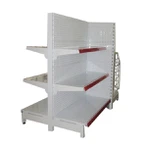
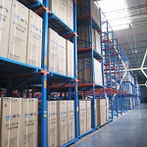
Storage shelves are generally made of metal. Although the outer layer is painted, if you don't pay much attention when using it, rust will still occur due to humidity, weathering, corrosion and other reasons. In particular, steel shelves will rust after a long period of use. The rust of the steel shelf is caused by the chemical reaction phenomenon caused by the oxidation of steel. This reaction phenomenon can cause serious damage to the interior of the shelf, just like the good wood will eventually collapse after the erosion of termites. Therefore, for the safety of the shelf, necessary rust removal measures are also essential. So how do we deal with the rusty shelf?
1. The impact of high-pressure water jets, the grinding action of abrasives, and the action of water prying can be used to destroy the adhesion of rust and coating to the shelf steel plate. It is characterized by no dust pollution, no damage to the shelf steel plate, greatly improving the rust removal efficiency to more than 15m2/h, and good rust removal quality. However, the shelf steel plate after derusting needs to be coated with special wet derusting paint, which has a greater impact on the coating of general performance paint. Otherwise, the shelf steel plate is easy to rust.
2. You can use hydrochloric acid to scrub the rusty part, wash off the rust and then paint it. It should be noted that do not soak rusty storage shelves in dilute hydrochloric acid for too long, otherwise the substances inside will also be reacted by the way after removing the rust layer on the surface of the storage shelves.
3. Chemical rust removal is mainly a rust removal method that uses acid to react with metal oxides to remove the rust products on the metal surface of the shelf material, that is, the so-called pickling and rust removal, which can only be operated in the workshop .
If the rack is rusted, it can be treated accordingly, but if we pay attention to the storage and use environment of the stacking rack during use, rust can be avoided. Everyone must pay attention to the environment in the warehouse, not to be too humid, to maintain ventilation, and to use special stacking shelves for chemicals that are corrosive.